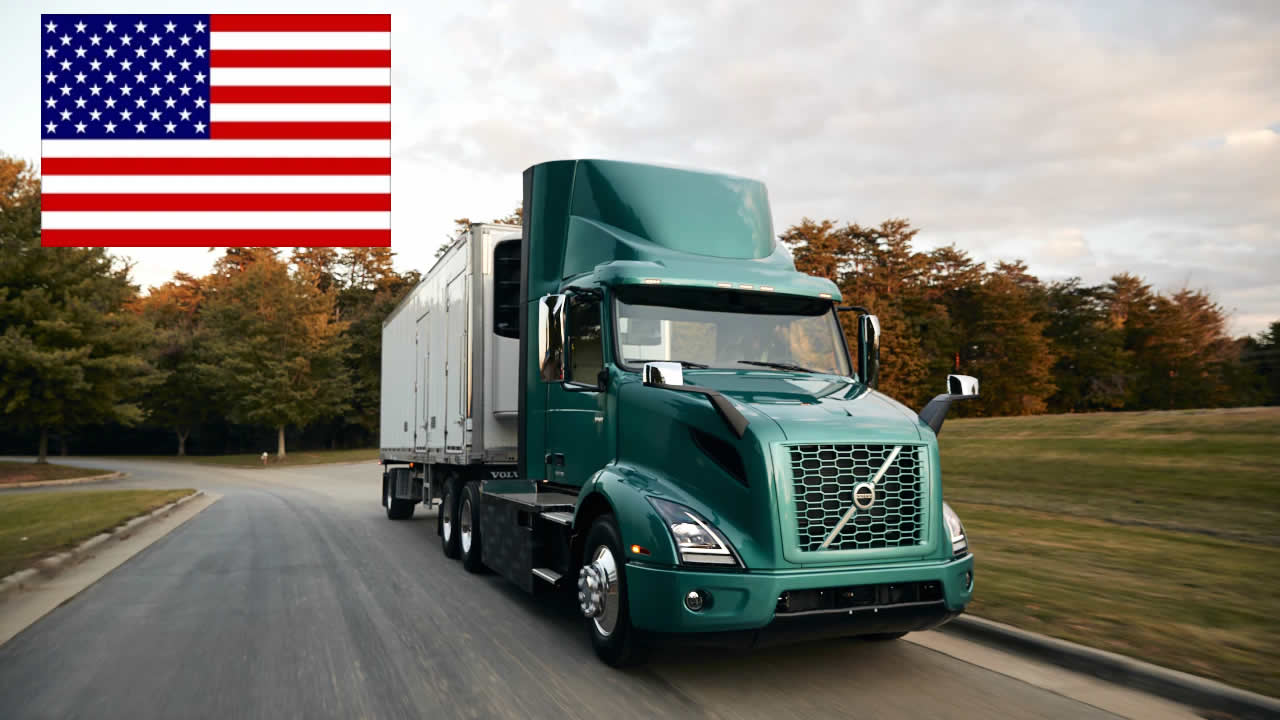
Diesel Tops $6 a Gallon as U.S. Truckers Face Growing Pressure From Fuel Costs

Diesel prices in the United States have crossed a level that truck drivers and trucking companies had been watching closely. After the U.S. Energy Information Administration reported a national average of $5.967 per gallon for the week ending September 7, daily price trackers showed diesel moving above $6 a gallon later in the week.
GasBuddy reported on September 10 that the national average had crossed $6 for the first time, while AAA data cited a national average of about $6.06 per gallon on September 11. The increase has been fast: AAA’s figure was roughly 14% higher than a month earlier and more than 60% above the same period last year.
For truck drivers, especially independent owner-operators, a few cents at the pump can quickly turn into hundreds or thousands of dollars in additional operating expenses. A commercial truck traveling long distances every week consumes far more fuel than a passenger vehicle, making diesel one of the largest expenses in day-to-day trucking operations.
The pressure is even greater in some parts of the country. EIA data for September 7 showed average diesel at $6.987 on the West Coast and $7.764 in California. The Central Atlantic region was already averaging $6.051, while New England stood just below that level at $5.990.
Why diesel prices are rising so quickly
The increase is tied to a combination of tight supplies and international disruptions.
U.S. diesel inventories are running roughly 13% below their five-year average, while global supplies of refined fuels have been disrupted by the conflict involving Iran, attacks on Russian refining infrastructure and restrictions affecting international fuel markets. Those conditions have pushed crude oil and diesel prices sharply higher.
The problem for the trucking industry is that fuel costs cannot always be passed on immediately.
Large carriers may use fuel surcharge programs in their freight contracts, but smaller fleets and owner-operators working the spot market can be much more exposed to sudden price increases. When diesel jumps rapidly while freight rates remain unchanged, the driver’s margin can shrink with every load.
That creates a difficult decision: accept loads with lower profits, negotiate higher freight rates or park equipment until operating conditions improve.
Higher diesel costs could reach consumers
Truckers are not the only ones affected.
Diesel powers much of the U.S. freight network, agricultural equipment, construction machinery and other parts of the economy. When trucking companies pay more to move food, building materials, retail merchandise and industrial products, some of those costs can eventually reach consumers.
Transportation and warehousing costs have already shown signs of pressure, and analysts warn that diesel above $6 could add another inflationary force to the economy in the coming months.
Fresh food is particularly sensitive because produce, meat and other refrigerated products depend heavily on diesel-powered trucks and refrigerated trailers.
Independent truckers face the biggest risk
The diesel spike comes at a difficult time for independent drivers.
An owner-operator must pay not only for fuel but also truck payments, insurance, tires, maintenance, permits and repairs. When fuel prices rise faster than freight rates, there is less money left after each trip.
That is why the $6 mark has become more than just another number displayed at truck stops. For thousands of small trucking businesses, it can determine whether a load remains profitable.
The situation could remain unstable. Chevron CEO Mike Wirth warned this week that global crude oil buffers used earlier to contain price increases are becoming depleted, creating the possibility of continued upward pressure on energy prices.
For now, the federal EIA benchmark remains $5.967 for the week of September 7, while more frequent daily measurements have already pushed the national average past $6. The next EIA weekly update will show whether that increase has become firmly established across the country

João Neto
Brasil do Trecho editorial team, covering trucks, buses, logistics, road transport and the Brazilian transportation industry.