
Truck Driver Shortage in the U.S.: Some Jobs Pay Up to $8,000 a Month
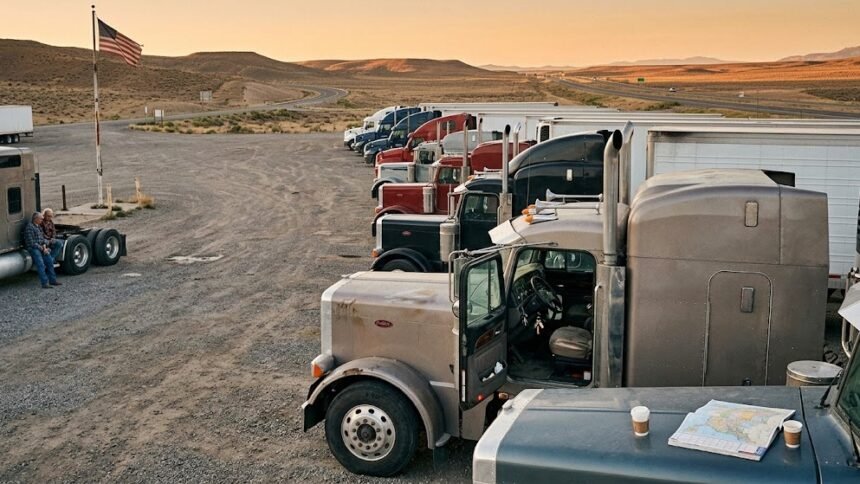
Truck drivers looking for higher-paying opportunities in the United States may find jobs offering around $8,000 a month, particularly in specialized freight transportation. Tanker operations, hazardous materials, and certain long-haul routes are among the options for experienced CDL holders seeking better pay.
The American Trucking Associations (ATA) reported in October 2026 that truck driver compensation continued to rise despite several difficult years for freight carriers. Its latest compensation study examined more than 130 fleets employing over 140,000 drivers.
According to the U.S. Bureau of Labor Statistics (BLS), the median annual wage for heavy and tractor-trailer truck drivers was $58,640 in May 2025, or approximately $4,887 a month before taxes.
However, some specialized jobs offer significantly more. The BLS projects approximately 214,500 annual job openings for heavy truck drivers through 2035, including positions created as existing drivers retire or leave the occupation.
One of the better-paying segments is hazardous materials transportation. Drivers hauling chemicals, petroleum products, and other regulated substances often need additional CDL endorsements and specialized safety training.
For example, Petroleum Transport Company advertised tanker positions in North Carolina paying between $1,400 and $2,000 a week in gross earnings. At the upper end, that is approximately $8,667 a month when calculated over a full year.
Other employers advertise similar compensation. Rogers Cartage has listed long-haul chemical tanker positions paying approximately $1,700 to $2,000 weekly, with some positions advertising annual earnings of up to $110,000.
Oversized and heavy-haul freight can also offer attractive compensation. These operations involve moving construction equipment, industrial machinery, and other large loads that may require special permits, route planning, and additional experience.
Flatbed trucking is another option for drivers interested in specialized freight. Securing steel, lumber, building materials, and heavy equipment requires additional skills and responsibility, although higher earnings are not guaranteed on every route.
Refrigerated transportation also provides opportunities for CDL drivers. These loads commonly include food, pharmaceuticals, and temperature-sensitive products that require careful delivery scheduling and equipment monitoring.
Owner-operators may generate considerably more revenue than company drivers, but their gross earnings should never be confused with take-home pay. Fuel, insurance, truck payments, repairs, maintenance, and other business expenses can substantially reduce what remains.
The ATA’s latest study found that dry van drivers working irregular routes earned median annual compensation of $73,639 in 2025, an increase of 8.3% compared with the 2023 figure for the same category.
Drivers pursuing higher-paying positions generally need a valid Commercial Driver’s License (CDL), a satisfactory driving record, and the qualifications required by individual employers.
For hazardous materials or tanker operations, additional endorsements may be necessary. Some employers also require prior experience hauling specialized freight.
While $8,000 a month is achievable in certain positions, it is not the standard salary across the industry. Actual earnings depend on experience, freight type, location, mileage, work schedule, and whether the driver works as an employee or independent contractor.
With trucking companies continuing to compete for qualified workers, drivers who develop specialized skills may have access to a wider range of higher-paying opportunities throughout the United States.

João Neto
Brasil do Trecho editorial team, covering trucks, buses, logistics, road transport and the Brazilian transportation industry.