
U.S. Tightens CDL Rules as High Diesel Prices Put More Pressure on Truckers
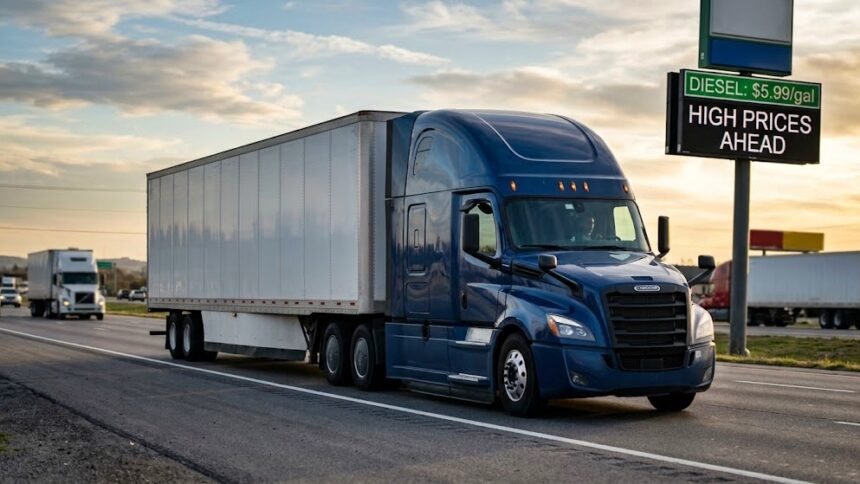
Truck drivers in the United States are dealing with two major pressures at the same time: tougher rules for some commercial driver’s licenses and diesel prices that remain far above last year’s levels.
The Federal Motor Carrier Safety Administration has tightened the requirements for non-domiciled Commercial Driver’s Licenses, a category used by certain foreign drivers who are legally working in the United States.
Under rules that took effect in March 2026, a general Employment Authorization Document, commonly known as an EAD, is no longer enough to qualify for a new, renewed or upgraded non-domiciled CDL.
FMCSA says eligible foreign applicants must generally show lawful status under one of three employment-based categories: H-2A, H-2B or E-2. States must also verify the applicant’s immigration information through the federal SAVE system.
The license can also be issued for no more than one year, or until the driver’s authorized stay expires, whichever comes first.
English proficiency has become another major issue on the road. FMCSA enforcement policy allows inspectors to evaluate whether commercial drivers can answer official questions and understand highway signs and signals in English. Drivers who do not meet the federal requirement can face an out-of-service action in situations covered by the policy.
At the same time, fuel costs are squeezing drivers who own or lease their trucks.
The U.S. Energy Information Administration reported a national average of $6.199 per gallon for on-highway diesel on October 5, 2026. A year earlier, diesel was about $2.49 cheaper per gallon. California remained much more expensive, averaging more than $8 per gallon.
For independent owner-operators, that difference can quickly eat into the money left after a load is delivered. Fuel, insurance, maintenance, truck payments and broker fees all come out of the revenue generated by each trip.
The pressure has already led to calls for drivers to park their trucks in protest. An October 1 shutdown campaign circulated among independent truckers, although reports indicated that participation was limited and there was no verified nationwide strike. High diesel prices, weak freight rates and rising operating costs were among the complaints raised by drivers.
Diesel prices have eased slightly from late-September levels, but they remain historically high. On September 21, the national average reached $6.529 per gallon before falling to $6.199 in early October.
For foreign drivers hoping to enter the American trucking industry, the situation is now more complicated. Getting behind the wheel requires not only driving experience and a commercial license, but also the correct immigration status, federal verification and compliance with English-language requirements.
For truckers already working in the country, the bigger question may be whether freight revenue can keep up with the growing cost of keeping a truck on the road.

João Neto
Brasil do Trecho editorial team, covering trucks, buses, logistics, road transport and the Brazilian transportation industry.
Related News
 Read article: U.S. Allows Some Truckers to Drive Up to 16 Hours as Diesel Prices Surge
 Read article: Are U.S. Truckers Really Shutting Down on October 1? Here’s What We Know
 Read article: U.S. diesel rises to $6.529 a gallon, squeezing truckers’ margins
 Read article: Could American Truck Drivers Stop Working on October 1? What Drivers Need to Know